
Behind on Your Mortgage in California? Here’s What You Can Still Do to Save Your Home
Falling behind on your mortgage payments can feel overwhelming. The phone calls, the letters from your lender, the fear of losing your home — it all builds fast. If you’re a homeow...

On this page Table of Contents 10 sections
- 1 Step 1: Understand Where You Are in the Foreclosure Timeline
- 2 Step 2: Explore Mortgage Reinstatement
- 3 Step 3: Loan Modification Options
- 4 Step 4: Mortgage Forbearance Aftereffects
- 5 Step 5: Filing for Bankruptcy (When Appropriate)
- 6 Step 6: Selling Before Foreclosure
- 7 Step 7: Know Your Legal Protections in California
- 8 How WeCan Legal APC Helps California Homeowners
- 9 What Happens If You Do Nothing?
- 10 Final Thoughts: You Still Have Options
Falling behind on your mortgage payments can feel overwhelming. The phone calls, the letters from your lender, the fear of losing your home — it all builds fast. If you’re a homeowner in California struggling with missed payments, you are not alone. And more importantly, you still have options.
Many homeowners assume foreclosure is automatic once payments are missed. That’s not true. California law provides legal protections, timelines, and opportunities that can help you stop or delay foreclosure — sometimes even permanently resolve the situation.
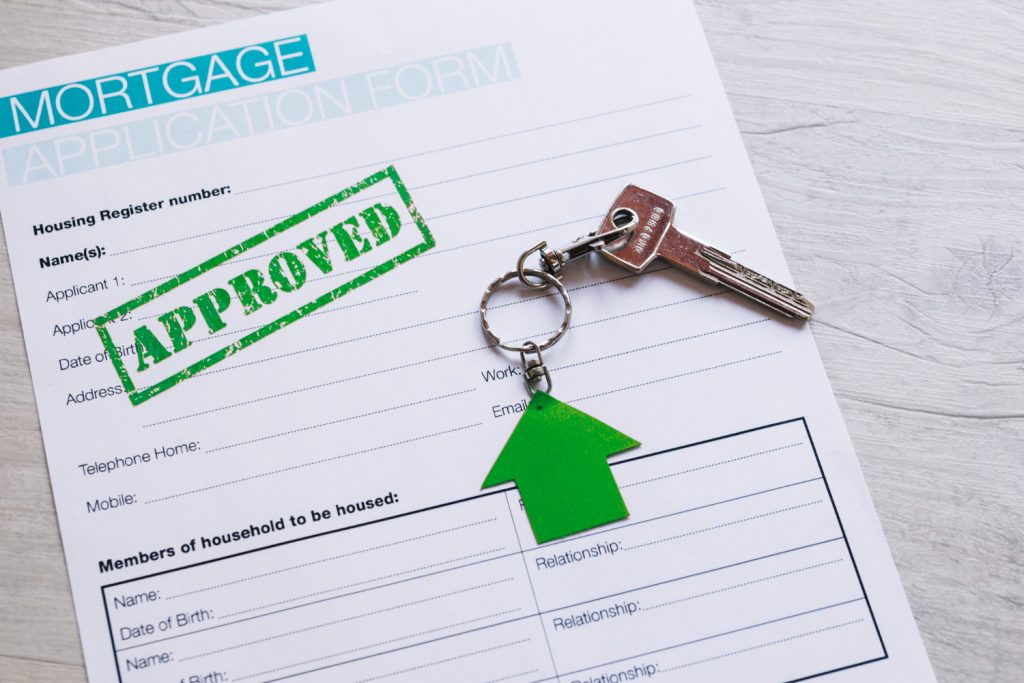
Here’s what you need to know if you’re behind on your mortgage in California — and what you can still do to protect your home.
Step 1: Understand Where You Are in the Foreclosure Timeline
California is primarily a non-judicial foreclosure state, which means lenders typically do not have to go through court to foreclose. However, that doesn’t mean the process is immediate.
The standard timeline usually includes:
- Missed Payments (30–90 days late)
- Notice of Default (NOD) – Recorded after about 90 days of missed payments
- Reinstatement Period (at least 90 days after NOD)
- Notice of Trustee Sale
- Trustee Sale (auction of your home)
From the first missed payment to sale, the process often takes 4–6 months or longer, sometimes more depending on circumstances.
The key takeaway: You still have time — but action must be taken early.
Step 2: Explore Mortgage Reinstatement
If you’ve received a Notice of Default, you may still be able to reinstate your loan.
Reinstatement means paying:
- Past-due mortgage payments
- Late fees
- Penalties
- Certain foreclosure costs
Under California law, you generally have the right to reinstate your loan up to five business days before the trustee sale.
For some homeowners, this may involve:
- Borrowing from family
- Accessing retirement funds (with financial planning advice)
- Using a short-term loan
- Selling assets
If full reinstatement isn’t possible, other options may be available.
Step 3: Loan Modification Options
A loan modification changes the original terms of your mortgage to make payments more affordable.
This may include:
- Lowering the interest rate
- Extending the loan term
- Adding missed payments to the loan balance
- Adjusting principal in rare cases
California homeowners are protected under the California Homeowner Bill of Rights (HBOR), which prohibits “dual tracking.” That means your lender cannot continue foreclosure proceedings while a complete loan modification application is under review.
Working with an experienced foreclosure attorney — like the team at WeCan Legal APC — can help ensure your application is properly submitted and your rights are protected.
Step 4: Mortgage Forbearance Aftereffects
Many homeowners entered mortgage forbearance during economic hardship periods. But once forbearance ends, confusion often begins.
Important: Forbearance is not forgiveness.
When the period ends, you may face:
- Lump-sum repayment demands
- Payment plan requirements
- Loan modification discussions
- Immediate delinquency if not handled properly
If your lender is demanding full repayment immediately, you may have legal grounds to negotiate or challenge improper servicing practices.
Understanding your lender’s obligations under federal and California law is critical before agreeing to repayment terms.
Step 5: Filing for Bankruptcy (When Appropriate)
Bankruptcy is not right for everyone — but in some cases, it can immediately stop foreclosure through an automatic stay.
Two common types:
Chapter 13 Bankruptcy
- Allows you to repay missed mortgage payments over 3–5 years
- Stops foreclosure while you catch up
Chapter 7 Bankruptcy
- Eliminates certain debts
- May delay foreclosure temporarily
Bankruptcy is a serious legal decision and should only be considered after consulting with a qualified attorney.
Step 6: Selling Before Foreclosure
If keeping the home isn’t financially realistic, selling before foreclosure may protect your credit and financial future.
Options include:
- Traditional sale (if equity exists)
- Short sale (if home value is below mortgage balance)
Selling before auction can:
- Prevent foreclosure from appearing on your record
- Reduce long-term credit damage
- Provide some financial recovery
Timing is critical in this scenario.
Step 7: Know Your Legal Protections in California
California homeowners have important legal safeguards, including:
- Mandatory waiting periods before sale
- Anti-dual tracking protections
- Required lender notices
- Servicer communication requirements
- Right to reinstate before sale
If your lender:
- Failed to notify you properly
- Continued foreclosure during modification review
- Made servicing errors
- Engaged in unfair practices
You may have grounds to challenge the foreclosure.
This is where experienced legal guidance becomes essential.
How WeCan Legal APC Helps California Homeowners
At WeCan Legal APC, we understand how stressful foreclosure threats can be. Our team works with homeowners across California to:
- Review foreclosure notices
- Analyze loan servicing errors
- Assist with loan modification submissions
- Negotiate with lenders
- Evaluate legal defenses under California law
- Provide strategic foreclosure prevention options
Our approach focuses on clear guidance, lawful solutions, and protecting your long-term financial stability.
Every situation is different. The earlier you seek legal review, the more options may be available.
What Happens If You Do Nothing?
Ignoring foreclosure notices is the worst possible strategy.
If no action is taken:
- The property can be sold at trustee auction
- You may lose ownership rights
- Eviction proceedings may begin
- Your credit may suffer long-term damage
The sooner you act, the stronger your position.
Final Thoughts: You Still Have Options
Being behind on your mortgage in California does not automatically mean losing your home.
You may be able to:
- Reinstate the loan
- Apply for modification
- Challenge lender violations
- Sell strategically
- Restructure debt
- Negotiate repayment
But foreclosure timelines move quickly.
If you’re facing mortgage delinquency or foreclosure in California, speaking with a knowledgeable foreclosure attorney can help you understand your rights and next steps.CONTACT NOW
Related guide: Can the bank come after you for the balance after foreclosure in California?
Related guide: Tax foreclosure in California and how a lawyer can help
Need help with a foreclosure & forbearance defense matter?
Talk to WeCan Legal APC — free, confidential, no obligation.
Frequently Asked Questions
1. How many missed payments before foreclosure starts in California? +
Most lenders begin the foreclosure process after 90 days of missed payments by recording a Notice of Default. However, communication from lenders often starts earlier.
2. Can foreclosure be stopped in California? +
Yes, foreclosure may be stopped or delayed through reinstatement, loan modification, bankruptcy filing, or legal challenges if lender violations occurred.
3. What is the California Homeowner Bill of Rights? +
The California Homeowner Bill of Rights protects borrowers from unfair foreclosure practices, including dual tracking and improper servicing.
4. Will foreclosure ruin my credit permanently? +
Foreclosure significantly impacts credit, but it is not permanent. Recovery is possible over time with proper financial rebuilding strategies.
5. Should I contact a foreclosure attorney early? +
Yes. Early legal review increases available options and may prevent costly mistakes or missed deadlines.