
Received a Legal Notice? Here’s What You Should Do Immediately
Receiving a legal notice can be frightening and overwhelming. Whether it’s related to a family dispute, foreclosure, debt, or another legal matter, most people panic because they d...
On this page Table of Contents 9 sections
- 1 Family-Related Legal Notices
- 2 Property or Foreclosure Notices
- 3 Our Practice Areas Include:
- 4 1. What should I do first after receiving a legal notice?
- 5 Read it attentively, write down the deadlines, and get legal ass...
- 6 3. Should I contact the sender directly?
- 7 4. Can a lawyer stop foreclosure after a notice?
- 8 5. Do I need a family lawyer for financial legal issues?
- 9 6. Do you serve clients in Los Angeles?
Receiving a legal notice can be frightening and overwhelming. Whether it’s related to a family dispute, foreclosure, debt, or another legal matter, most people panic because they don’t understand what the notice means or what steps to take next. However, receiving a legal notice does not mean you’ve already lost your case or rights. The actions you take immediately after receiving a legal notice can determine the outcome of your situation. This guide explains exactly what you should do, what mistakes to avoid, and how professional legal support can protect you and your family.
What Is a Legal Notice?
A legal notice is a formal letter that tells you that someone has started or may initiate legal action against you. It could come from:
- A court
- A lawyer
- A lender
- An agency of the government
Common types of legal notices include:
- Foreclosure notices
- Divorce or custody notices
- Debt recovery notices
- Property disputes
- Family law matters
If you ignore a legal notice, you could end up in court, lose money, or have your property taken away.
Step 1: Do Not Ignore the Legal Notice
Ignoring a legal notice is the worst thing you can do. A lot of individuals think the problem will go away on its own, but in court, quiet can work against you.
Ignoring a notice can result in:
- Court decisions by default
- Loss of legal rights
- Higher fines or costs
As soon as you get a notice, you should regard it as urgent.
Step 2: Read the Notice Carefully
Before you get upset, read the notification carefully and look for:
- Deadlines
- Dates for court
- Actions that must be taken
- How to get in touch
Most legal notices have specific deadlines, and skipping one might hurt your case. Don’t put it off, even if you don’t comprehend the language.
Step 3: Identify the Type of Legal Issue
Knowing what kind of legal problem you have helps you figure out how to deal with it.
Family-Related Legal Notices
You could require help right away from Family Legal Services if the notice is about divorce, custody, support, or family problems. Family law cases can involve money, property, and kids, so it’s important to get legal help as soon as possible.
Property or Foreclosure Notices
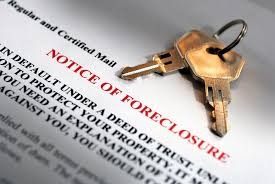
You need to respond right away if the notice is about a mortgage default or a home foreclosure. Getting professional guidance with foreclosure and forbearance can help you halt or delay foreclosure and keep your house safe.
Step 4: Do Not Contact the Opposing Party Alone
A lot of people make the error of getting in touch with the person who sent the notice without first getting legal guidance. This can cause:
- Saying something that hurts your case
- Admitting error without meaning to
- Losing the ability to negotiate
Instead, consult a lawyer first so your response is legally sound and strategic.
Step 5: Seek Legal Advice Immediately
Legal notices are hard to understand and different in each state. If you live in California, hiring a Family Law Attorney with experience will make sure that your case is handled according to state laws and court rules.
Early legal guidance can:
- Make sure you know your rights.
- Help write a good answer
- Stop things from getting worse
- Save time and cash
How Legal Issues Often Overlap
A lot of legal notices have to do with bigger life problems, like:
- Divorce that leads to foreclosure
- Separation’s effect on property ownership
- Family fights that affect financial stability
That’s why it’s so helpful to engage with professionals that know both family and property law, like Family & Foreclosure Lawyers in Los Angeles.
Step 6: Gather All Relevant Documents
Before meeting your lawyer, collect:
- The legal notice
- Contracts or deals
- Records of payments
- Emails or messages about the problem
Having documents ready allows your legal team to act faster and more effectively.
Step 7: Respond Within the Deadline
Most legal notices need a response within a certain amount of time. If you miss this deadline, you could:
- Judgments that happen automatically
- Loss of rights to defense
- More legal problems
A lawyer can help you respond correctly and on time.
Why Professional Legal Help Matters
Legal notifications are meant to protect the sender’s interests, not yours. You could hurt your case without professional help.
Family Legal Services helps people deal with family issues that are emotionally charged and complicated. Homeowners might look at legal options to defend their property with Foreclosure & Forbearance.
Our Legal Services & Areas We Serve
We are delighted to offer legal help all across the United States, but we focus on California and Los Angeles.
Our Practice Areas Include:
- Family legal services for divorce, custody, and other family problems
- Homeowners who are having trouble with their mortgages might get help with foreclosure and forbearance.
- Advice from a California Family Law Attorney with a lot of experience
- Los Angeles Family and Foreclosure Lawyers You Can Trust
Our mission is to protect your rights, your home, and your family’s future.
Purpose of This Blog
The purpose of this blog is to:
- Teach people who get legal warnings
- Encourage action that is quick and well-informed
- Avoid making expensive legal blunders
A legal notice is serious but with the right steps and legal support, it does not have to define your future.
Frequently Asked Questions (FAQs)
1. What should I do first after receiving a legal notice?
Read it attentively, write down the deadlines, and get legal assistance right away.
2. Can I ignore a legal notice?
No. Ignoring a legal notice can have serious legal effects.
3. Should I contact the sender directly?
Not without talking to a lawyer. Talking to a lawyer first safeguards your rights.
4. Can a lawyer stop foreclosure after a notice?
Yes. Through foreclosure and forbearance, lawyers can look into ways to put off or stop foreclosure.
5. Do I need a family lawyer for financial legal issues?
Yes, most of the time. Family Legal Services are crucial since family problems and money problems are frequently related.
6. Do you serve clients in Los Angeles?
Yes. We deal with Family and Foreclosure Lawyers in Los Angeles who know the laws and courts in the area.
Need help with a family law matter?
Talk to WeCan Legal APC — free, confidential, no obligation.